Course DetailsHome / Courses Details
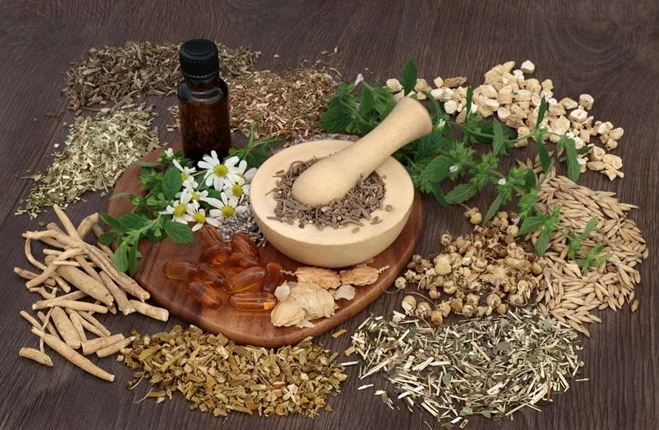
Herbal Detox and Wellness Program
This program is designed for individuals looking to understand the holistic process of internal cleansing and long-term vitality. It moves beyond "quick fixes" to teach the science of how specific herbs support the body’s natural filtration systems—the liver, kidneys, lungs, and skin—while integrating wellness habits for a balanced lifestyle.
Foundations of Holistic Detox
-
The Body’s Filters: Understanding how the liver and kidneys process toxins.
-
Signs of Toxicity: Identifying common symptoms like fatigue, skin breakouts, and digestive sluggishness.
-
The "Whole-Person" Approach: Why mental and emotional wellness are vital to physical cleansing.
The Botanical Toolkit
-
Liver Support: Working with bitter herbs like Dandelion, Milk Thistle, and Ginger.
-
Blood & Skin Purifiers: The use of Burdock root, Neem, and Turmeric.
-
Digestive Movement: Safe use of fiber-rich seeds and mild herbal laxatives to improve transit time
The Wellness Blueprint
-
Alkalizing Nutrition: Foods that support an herbal protocol (leafy greens, citrus, and hydration).
-
Daily Rituals: Introduction to dry brushing, hydrotherapy, and mindful breathing.
-
Post-Detox Transition: How to reintroduce foods and maintain energy levels after the program.
1. Foundational Understanding of Herbal Production:
- Basic Herbal Knowledge: A grasp of the general principles of herbal product manufacturing, including sourcing, processing, and common product types.
- Awareness of Herbal Product Risks: Understanding that herbal products can have safety risks, including contamination and potency variations.
- Appreciation for Consumer Safety: Recognition of the importance of ensuring the safety and efficacy of herbal products for consumer health.
2. Core Concepts of Quality Control:
- Understanding of Quality Control Principles: Familiarity with the basic concepts of quality control, including accuracy, consistency, and safety.
- Interest in Manufacturing Processes: A general understanding of manufacturing processes and how quality control systems are integrated.
- Awareness of Contamination Risks: Recognizing that contaminants like microbes, heavy metals, and pesticides are a risk to herbal products.
3. Understanding of Regulatory Compliance:
- Awareness of Regulatory Bodies: Basic knowledge of regulatory bodies like NAFDAC, WHO, and the FDA.
- Understanding of GMP: Familiarity with the concept of Good Manufacturing Practices and their importance.
- Appreciation for Documentation: Understanding the importance of accurate record-keeping and documentation in regulatory compliance.
4. Core Skills and Interests:
- Attention to Detail: The ability to follow procedures and maintain accurate records.
- Analytical Thinking: The capacity to analyze data and identify potential quality issues.
- Problem-Solving Skills: The ability to develop solutions to quality control and compliance challenges.
- Interest in Regulatory Requirements: A willingness to learn and understand regulatory guidelines.
- Ethical Mindset: A commitment to ethical practices in herbal production and quality assurance.
5. Willingness to Engage and Learn:
- Interest in Testing Methods: A willingness to learn about various testing methods, including microbial testing and chemical analysis.
- Commitment to Safety: A strong commitment to ensuring the safety of herbal products.
- Teamwork and Communication: The ability to work effectively in teams and communicate quality-related information.
- Project Management Skills: A willingness to participate in a final project involving the creation of a quality control and compliance plan.
Available on student dashboard